For individual owners 6 min read
Direct Booking Vacation Rentals That Stand Out
Direct booking vacation rentals give owners more control over margin, guest relationships, and how each home earns attention beyond OTA search results.
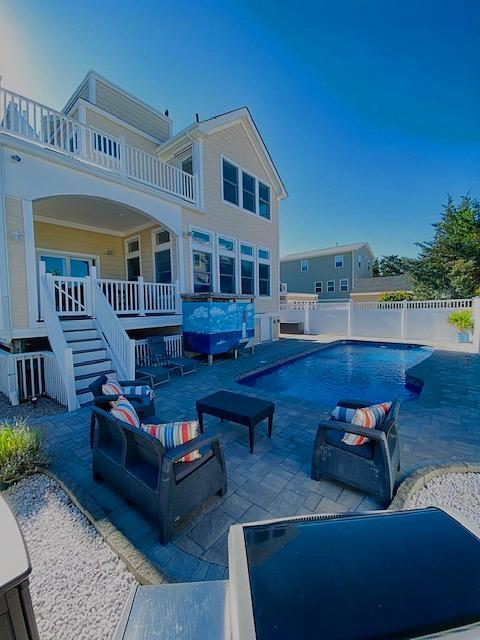
A guest looking at five beach homes is not comparing square footage alone. They are asking whether everyone can eat together, whether grandparents can have privacy, where wet gear goes after the beach, and whether the trip will feel easy once the cars arrive. Direct booking vacation rentals win attention when they answer those questions before a guest has to ask them.
You bought a vacation rental. You did not buy control of the algorithm.
Airbnb and Vrbo can remain valuable distribution channels, especially for reaching travelers who have not met your brand yet. But an OTA listing is a compressed version of your property. It is built to fit inside a marketplace, beside competing homes, under platform rules that can change. Your direct channel is where the home gets to make its full case and where the booking relationship stays with you.
Direct booking vacation rentals need a reason to be remembered
A direct booking option alone is not a strategy. A booking engine cannot create demand for a home guests barely remember after scrolling past it. Before you ask travelers to leave an OTA, visit your site, or book with you directly, give them a clear reason to care about this specific stay.
That reason should be rooted in the trip, not generic property language. “Beautiful home near the beach” describes thousands of listings. “A Carolina Beach home where three generations can share breakfast, split off for quiet time, and come back together for dinner” gives a family a picture of the stay they want.
The shift matters because guests do not book amenities in isolation. They book what those amenities allow them to do. A garage can mean a dry place to stage bikes, beach chairs, and strollers. A rooftop can mean a space for the adults to catch the last light after kids are asleep. A work area can mean a parent can extend a long weekend without turning the dining table into an office. Private bathrooms can mean fewer small frictions among couples traveling together.
When your marketing makes those connections, the property stops competing only on nightly rate, review count, or its placement in a search grid.
Show the home as an answer to a real trip
Most operators already have the raw materials: listing photos, room descriptions, amenity details, and local knowledge. The gap is turning those materials into a property-level story that a guest can absorb quickly.
A narrated property film does more than replay still photos. It gives a traveler a useful walkthrough of how the stay works. The order matters. Show the arrival experience, the spaces where the group gathers, the sleeping arrangement, the practical features that reduce friction, and the moments that make the trip feel worth planning.
The same applies to a dedicated property page. It should not be a duplicate OTA listing with a direct booking button placed at the bottom. It should resolve the questions that create hesitation: How does this home accommodate our group? What happens when people want different things from the day? Is there room for gear, groceries, remote work, or a celebration? What does the layout mean for privacy?
Property-specific social content can then carry pieces of that story into the places guests spend time before they decide where to stay. One short reel may focus on the gathering space. Another may speak to beach-day logistics. Another can frame the home as the setting for a birthday weekend or an annual family trip. The point is not to post because a content calendar says so. The point is to create recognizable reasons to choose the home.
Vista Azule frames the multigenerational trip
Vista Azule in Carolina Beach, North Carolina is a useful example because multigenerational families do not travel as one uniform audience. Grandparents may want calm mornings and a comfortable place to retreat. Parents want fewer logistical headaches. Kids want room to play and proximity to the things they came to do. The group needs shared time without feeling piled on top of one another.
The property story should make that balance visible. Viewers can see the home through the moments that matter to a larger family: common areas that support meals and conversation, sleeping spaces that help guests understand who fits where, bathroom arrangements that make mornings less chaotic, and the practical transition from a Carolina Beach day back to the house. Instead of presenting a collection of rooms, the film and page can show how those spaces support a family rhythm.
That is more persuasive than claiming a home is “perfect for families.” Perfect is vague. A visual answer is specific.
For Vista Azule, the message is not that every guest needs the same vacation. It is that the home can give a group choices. One person can read quietly while another gets dinner started. Children can reset after time outside. Relatives who see each other once a year can stay in the same place without giving up all privacy. Those are the details behind a trip that feels generous rather than crowded.
This is also where your existing listing photography becomes more valuable. A strong room image can become a narrated moment in a property film, a section on a direct page, and a focused social post. You are not starting from zero or asking your team to become a production studio. You are organizing the assets around guest intent.
Keep OTAs, but stop giving them the whole story
Direct booking does not require an all-or-nothing exit from Airbnb or Vrbo. For many owners and property management companies, that would be an unnecessary risk. OTAs can still introduce your inventory to new audiences and help fill certain dates.
The trade-off is dependence. If the platform is the only place your homes are presented, the platform controls the format, much of the guest relationship, and the context around your property. A direct marketing system gives you another lane. It lets you build recognition for individual homes, direct qualified interest to your existing booking site, and offer bookings through your own site without OTA fees without abandoning marketplace visibility.
That distinction matters for property managers protecting management-fee margins. It also matters for independent owners who have invested in a home with more to offer than a thumbnail, a short title, and a rate calendar.
Your direct page should make booking feel credible and straightforward. Use your existing booking site for availability, policies, payments, and reservation flow. The marketing work happens before that point: helping the guest understand why this property is right for their trip. Do not force a new technology stack when the real problem is that the home has not been positioned clearly enough.
Build a repeatable property marketing system
A portfolio should not be marketed as a generic collection of vacation rentals. Every home has a different strongest use case. One may be built for two families traveling together. Another may serve a group coming for a tournament, a hiking weekend, or a milestone birthday. Another may be the right fit for guests who need a real workspace and a quick path to the outdoors.
That means the creative should be property-specific, even when the production process is standardized. UpliftStays turns existing listing assets into narrated films, dedicated property pages, and social and paid-ad creative that point guests toward an operator’s own booking site. The deliverables are consistent. The story should not be.
Start by identifying the trip each home can serve best, then identify the proof inside the property. Look at sleeping layouts, gathering areas, bathrooms, outdoor space, storage, parking, and practical arrival details. Ask what each feature changes for a guest. If the answer is only “it is nice,” the message is not finished. If the answer is “this makes a three-generation beach week easier,” you have something worth showing.
A direct channel becomes stronger every time a guest can recognize a home before they compare it. Give them a reason to picture the trip there, then give them a clear path to book it on your terms.
See how UpliftStays helps vacation rental owners turn existing listing photos into a property film, a dedicated website, and social content.