Property marketing 6 min read
Vacation Rental Marketing That Sells the Trip
Vacation rental marketing turns property details into reasons to book direct, helping owners reduce OTA dependence without replacing Airbnb or Vrbo today.
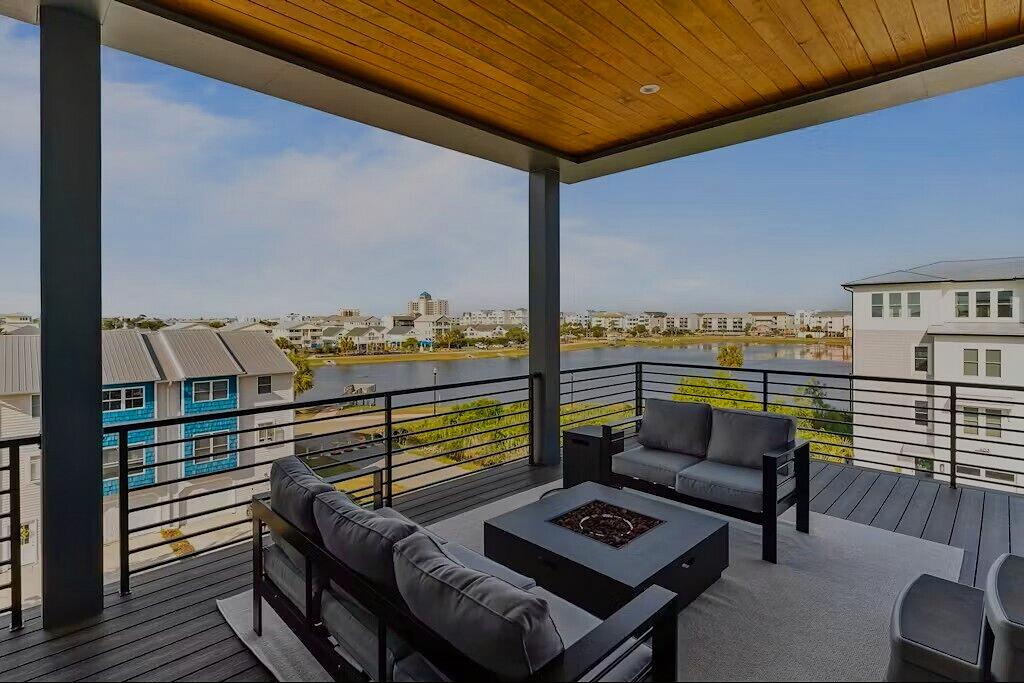
A guest rarely starts with a bedroom count. They start with a reason to get away: a long-overdue beach week with grandparents, a birthday trip with friends, or a place to come back to after a day outside. Effective vacation rental marketing connects those plans to a specific home before the guest reaches the nightly rate.
That matters because a listing can be accurate and still be forgettable. Airbnb and Vrbo remain valuable distribution channels, but they are crowded marketplaces built around platform search, platform rules, and platform relationships. You bought a vacation rental. You did not buy control of the algorithm.
The answer is not abandoning OTAs or discounting every open date. It is giving each property its own direct-marketing story: a clear reason to choose this home for this kind of trip, supported by visuals that answer the questions guests actually ask before they book.
Vacation rental marketing starts with the trip
A property is not just a collection of amenities. A private bathroom can mean three couples can travel together without negotiating morning routines. A garage can mean surfboards, bikes, fishing gear, or ski equipment have a secure place to go. A large dining table can mean everyone eats together rather than taking turns around a small counter.
Those are not decorative details. They are booking arguments.
The strongest marketing identifies the guest and the occasion first, then frames the home as the practical answer. For a mountain cabin, that may be a recovery base for a hiking group: room for wet gear, places to recharge, and enough separation for tired adults to sleep. For a beach home, it may be the place where multiple generations can stay close without being on top of one another.
This approach does not require a different property for every traveler type. It requires specificity. A home may appeal to families, couples, remote workers, and friend groups, but trying to say everything at once usually says very little. Lead with the trip the property supports best. Let the photos, film, and property page prove it.
Show guests how the home works
A standard listing often presents rooms as inventory: six bedrooms, four baths, sleeps 14. Those facts matter, but they leave guests to do the planning work themselves. Who gets the primary suite? Is there a bedroom suitable for grandparents? Can kids have their own area? Is there enough room for the group to gather after dinner?
Property-specific marketing should make the answers visible.
A narrated property film can walk a prospective guest through the experience in the order they imagine it. They arrive. They bring bags inside. They see where the group cooks, eats, sleeps, and spends time together. The narration should not simply repeat what is on screen. It should explain why the feature matters to the trip.
The same principle applies to a dedicated property page. Instead of sending paid traffic or social viewers to a broad portfolio page and asking them to search again, send them to a page built around one home. Give them the layout, visual proof, location context, and a direct path to the owner or manager's existing booking site.
That does not mean hiding Airbnb or Vrbo. Keep those listings active if they serve your distribution strategy. The goal is to stop treating them as the only place a guest can understand and book your property.
See the approach at Vista Azule
Vista Azule in Carolina Beach, North Carolina shows how to market a beach house for a multigenerational family trip. The property film and page give guests a way to see how the home works before booking. A rooftop gathering area, pool, and shared living spaces give the family different places to spend time together. That helps guests picture the stay while they are still deciding where to book.
Start with the listing photos you already have. Choose the images that answer the questions your best-fit guests ask. Use the film to show how the spaces fit into a stay, the property page to give guests the details, and short reels or posts to draw attention to one reason to visit. When guests are ready, send them to the owner’s or manager’s existing booking site, where they can book direct without OTA fees.
Turn existing assets into a direct-booking system
Many owners and managers already have what they need to begin: listing photos, property details, amenity notes, floor-plan information, and a working direct-booking site. What they often lack is a way to turn those pieces into creative that feels designed for a real guest decision.
That is where a property film, dedicated page, social posts, reels, and paid-ad creative work together. Each format has a different job. Short social creative earns attention by presenting a recognizable trip idea. The property page gives interested guests the full picture. The booking path sends them to the operator's own site, where the relationship and transaction stay with the business.
UpliftStays builds this system from existing listing materials, so operators do not need to become videographers, copywriters, landing-page designers, or media buyers. The point is not more content for its own sake. The point is property-specific creative that gives a guest a reason to leave the scroll and look closer.
There is a trade-off to consider. A generic brand campaign may help a management company build recognition across a market, especially with a large portfolio. But generic campaigns rarely answer why one particular home is right for one particular trip. Property-level marketing is more precise, which makes it especially useful when a home has meaningful layout, location, or amenity advantages worth showing.
Stop competing only on price
When a property is described in generic terms, rate becomes the easiest comparison point. Guests see a list of similar-looking homes and sort by price, reviews, or whatever the platform places in front of them. That is a weak position for owners who have invested in a distinctive home and want to protect management-fee margins.
Experience-led marketing gives guests other reasons to choose. It can show why the rooftop is where a group gathers at sunset, why the work area makes a longer stay possible, or why gear storage matters after a full day on the water. These details do not eliminate price sensitivity. They do reduce the chance that price is the only thing the guest remembers.
The language should stay concrete. Avoid calling a home "perfect" or "luxurious" without evidence. Name what guests can see and what it helps them do. If the home has a private pool, explain the kind of downtime it creates between outings. If it has multiple gathering zones, explain how that gives adults and kids room to spread out. If it is better suited to couples than large groups, say so. Better-fit guests create a better pre-booking experience for everyone.
Build for control, not platform dependence
Direct marketing is not a one-time campaign. It is an asset that gives an owner or manager more control over how a property is presented, where paid traffic goes, and how guests encounter the brand before booking. Your Airbnb and Vrbo listings can keep doing their job. Your own marketing should do more than feed them.
Start with the home that has the clearest story. Ask what trip it makes easier, what concerns it resolves, and what a guest needs to see before they commit. Then make every asset point to that answer. The next guest is not looking for more property facts. They are looking for a place that makes their time together feel possible.